Wednesday, February 16, 2011

Post-Snow Barley Plot: No Harm, No Foul, February 16, 2011


Our neighbor removed the fallen fencing and bush from the barley plot about 3 days ago. Being under the fence and bush does not seem to have hurt the barley at all.

The bare spots in the middle of the plot were there to begin with and I think they will be filled in as the barley grows and "tillers" or puts off side shoots which themselves can produce barley heads. You can see in the close-up photos that the tips of some of the barley leaves are a little pale from being under the snow. I have seen this each year I have planted barely and it does not seem to matter. As the weather gets warmer, the barley should really take off.

Barley Plot After the Snow Storm, February 8, 2011

The snow is mostly melted from the storm in late January. In these photos you can see the fencing and bush that fell on the malting barley plot. You can also see that the barley weathered the snow very well and looks green and healthy.

It is a little hard in these pictures to tell where the barley starts and the lawn ends. The barley is brighter green than the grass. The difference will become obvious in early April when the barley starts to take off. By the time I harvest in mid-June it will be 3 feet tall.


Barley Plot in Snow, January 31, 2011

On January 26, 2011 Northern Virginia was hit by a big snowstorm. Many had power out and many, many trees fell under the weight of the snow. One of our neighbor's Leyland Cypress's knocked down two sections of his fence and it all fell onto the barley patch. The fencing and bush covered about 20 percent of the plot. I am assuming this will not result in much damage if it is all removed when the snow melts. The neighbor is a great guy, so I am not worried.

Barley Plot, January 18, 2011


This is the barley plot on January 18, 2011. A light snow fell a few days ago. The barley looks much like the lawn -- green but not growing. Just waiting for spring.

Tuesday, November 16, 2010

Winter Malting Barley at One Month, Nov. 16, 2010


My small patch of malting barley at just about one month old. There has been ample rain and it has grown to between 4 and 6 inches.

Some has been nibbled by squirrels or rabbits, but that should not hurt it at all. Barley should not enter the coldest weather "winter proud" (too long). Some old time farmers would graze sheep on winter barley in late fall to give the sheep a green bite and also reduce the length of the barley to prevent tip die-back and encourage tillering (the barley sending out side shoots, which themselves produce heads of barley).

It has been frosting some nights, but has been in the 60s most days, so the barley plants are still growing. So far, so good. This looks just about the same as the plot did in each of the last two years when I also grew WINTMALT barley here.

Thursday, November 4, 2010

Eggs


One of the main reasons we are keeping chickens is so we will have a supply of fresh eggs. We bought our six hens in May when they were five week old chicks. They finally stated laying in early-October when they were just a bit over six months old.


At


First we would get one egg every day or two. Then two. Now we get between two or four eggs a day, which I surmise means most but not all. of the chickens are now laying regularly. If all goes well, we hope to get an average of about 4 eggs a day from the six chickens, which will mean lots to give away.

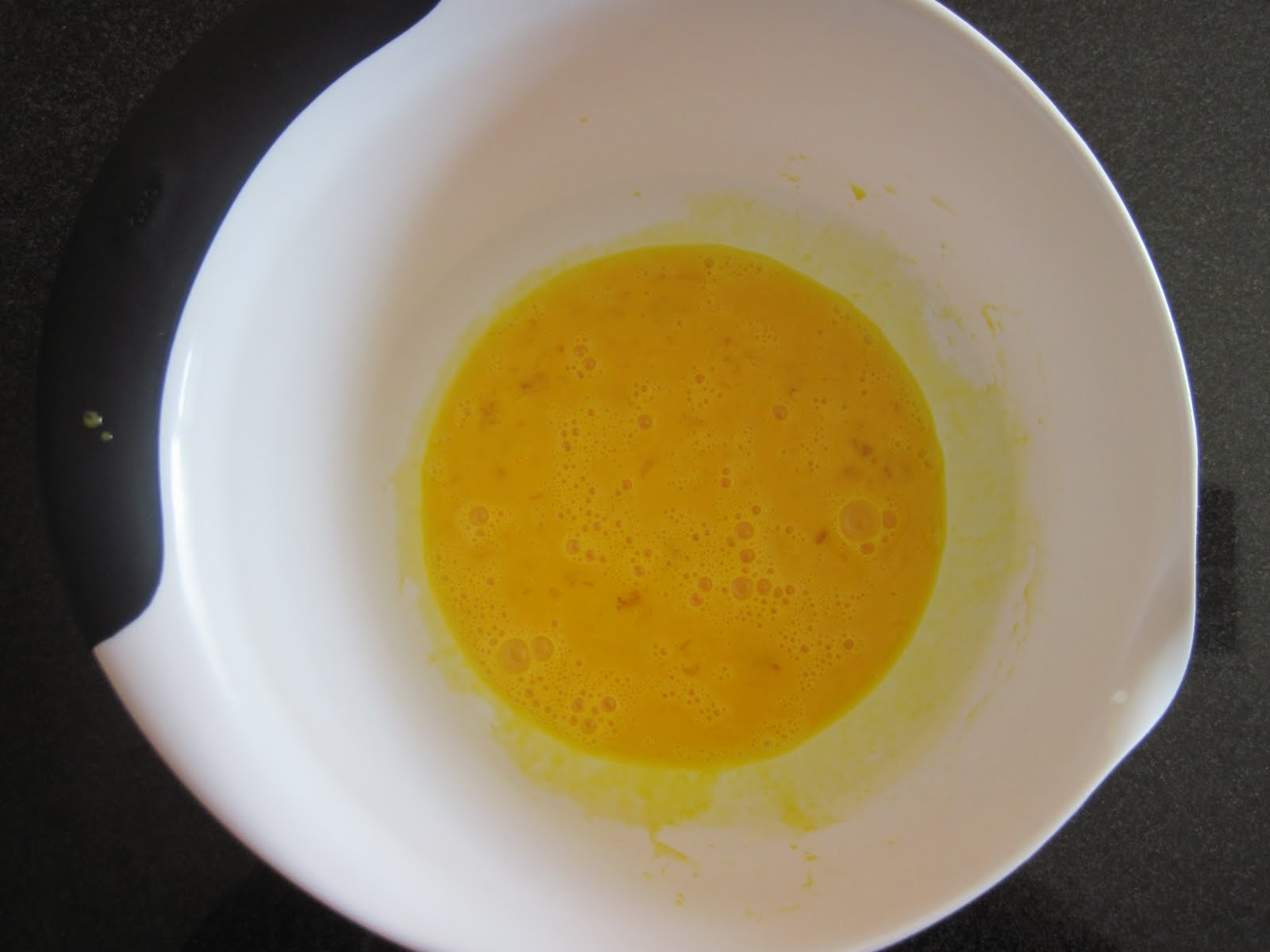
The yolks are really orange and stand up on the bowl. They make excellent quiches (broccoli, bacon, and cheese , above) and scrambled eggs. We've also used them in cookies, muffins, and as a binder to bread fish (our home-caught striped bass).

Chesapeake Bay Chicken Coop

We bought six female Araucana chicks in May 2010 and set about learning about how to care for chickens. It first they lived in a large plastic box with wood shavings on the bottom and a feeder, a waterer, and a light bulb clipped to the wall for heat.

Throughout the early summer, the growing chickens spent the night in the box (with a hardware cloth grate over the top) and lived by day in a six foot around dog run that we moved every day for them to have access to new grass.

We knew they would need a permanent coop and protective run so I started building one. It ended up taking all summer, but we built a very substantial coop that is architecturally similar to our house and which fits very nicely into the setting. It is located about 200 feet from the Chesapeake Bay and has water views.

The hen house is 6x7 feet and the run is 6 x12 feet and is roofed in white corrugated plastic. Hawks, eagles, owls, foxes, and raccoons are all potential problems for our chickens .

The chickens lived happily in the coop until we went back to our regular house in early September. I transported them back in a dog crate in the back of my pick-up. They will live there again for two weeks at Xmas.

As I write this I just remembered that I have not completed the egg boxes at the shore coop! The chickens were not laying when we left. A project for our first days of vacation.